In brief
This article looks at how a company's own public material can reveal more when several signals are combined. It sets out a proportionate review of websites, public channels and imagery. The aim is deliberate publication, not a claim that every disclosure is harmful or that all exposure can be eliminated.
The exposure is usually cumulative
Industrial organisations publish information for valid reasons: winning customers, recruiting specialists, satisfying regulators, supporting suppliers and communicating with investors. A single item may reveal little. The competitive picture emerges when many small disclosures are combined across time and source types.
A vacancy can describe equipment and processes. A supplier case study can state a facility and installation; that is a supplier claim until independently corroborated. A trade-fair video can show the layout around a prototype. A planning document can indicate building use. Together, those sources may allow an external observer to estimate direction, readiness or capacity more confidently than the organisation intended. [1]
Where useful signals appear
The most visible sources are not always the most revealing. Corporate presentations may receive formal review, while local recruitment pages, employee conference slides, procurement notices, certification directories and contractor portfolios can follow different publishing workflows. Old files or links can also remain visible after the main website has changed. [2][3]
Public social-media posts deserve particular care because they are frequent and visual. An innocuous factory photograph may show badges, labels, whiteboards, workstation counts or equipment models. The concern is not the image alone, but how it aligns with public hiring, customer and investment signals. [1]
- Recruitment material naming tools, processes or programme timing
- Supplier and contractor portfolios with customer or site detail
- Photographs containing labels, screens, drawings or access badges
- Archived documents with outdated but still sensitive context
- Overlapping announcements that reveal more in combination
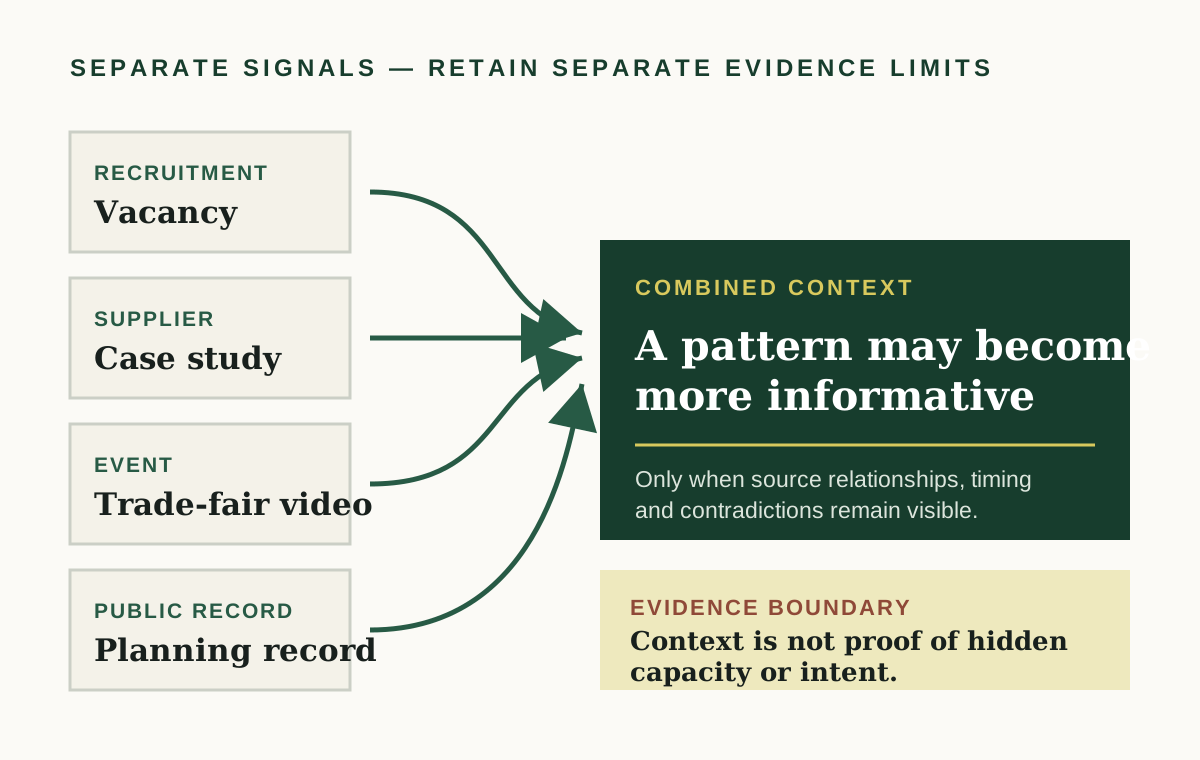
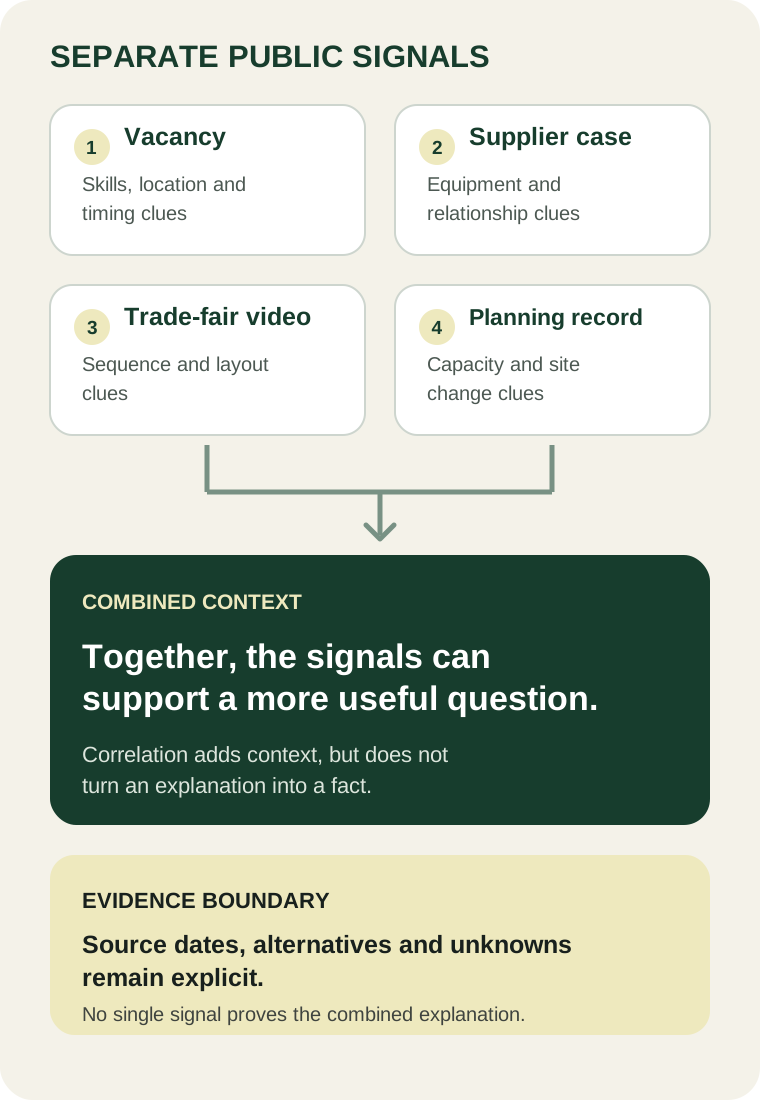
Combining public material may strengthen context, but every item retains its own provenance, scope, date and uncertainty.
- Separate signals
- Recruitment, supplier, event and public-record material may each address a different part of the question.
- Combined context
- Connections can make a pattern more informative when source relationships are recorded.
- Boundary
- A coherent pattern still does not prove hidden capacity, intent or current operational status.
Exposure review should remain lawful and proportionate
A public-information exposure review examines material that an ordinary user can access lawfully. It should not involve bypassing controls, impersonating staff, accessing leaked data or interacting deceptively with employees. The objective is to understand the organisation’s public footprint, not to test technical defences without authorisation.
Where a review processes personal data, collection should be adequate, relevant and limited to what is necessary for the stated purpose. Names and individual profiles are often unnecessary unless they are directly relevant to the authorised business question. Findings should focus on organisational patterns and the practical competitive significance of the information. [4]
Prioritise combinations, not isolated curiosities
A useful audit ranks findings by how easily they can be discovered, how credible they are, what other sources strengthen them and what business decision they might inform. A technical term in one vacancy may be low risk. The same term repeated across a facility announcement, supplier reference and conference presentation may reveal a strategic programme.
Remediation should also be proportionate. Removing every technical detail can damage recruitment and sales. Better controls include clear publishing ownership, pre-publication review for sensitive programmes, periodic searches for stale documents, and guidance for staff who share workplace imagery. [3][2][1]
Build a repeatable review process
Start by defining what must be protected: launch timing, production constraints, supplier relationships, process choices or customer programmes. Map the public channels most likely to mention them. Review current and archived material, then test how separate disclosures combine. Record the source, exposure, likely audience and recommended action.
The goal is not secrecy for its own sake. It is deliberate disclosure. Industrial companies can communicate credibly while reducing avoidable competitive signals, provided they understand the cumulative picture visible from outside.
Sources
- Security-Minded Communications – Guidance for Remote and Rural LocationsUK National Protective Security Authority. Accessed 7 October 2026.Protective-security guidance that specifically identifies screens, noticeboards, staff passes and contractor case studies as material to review. The page does not state a publication or update date.
- Small organisations guide to cyber security: Think about what you share onlineUK National Cyber Security Centre. Reviewed 21 July 2026. Accessed 7 October 2026.Official guidance to assess what an organisation’s website and social channels reveal, including outdated links and third-party details.
- Regulation (EU) 2016/679, Article 5European Union. Published 27 April 2016. Accessed 7 October 2026.Primary legislation. Article 5(1)(c) sets the data-minimisation principle; applying it to a particular project depends on the facts and is not legal certification.
Apply this discipline to a live question.
Define the decision, the evidence standard and the uncertainty that matters most.